How fast can sanitation get set up after a disaster?
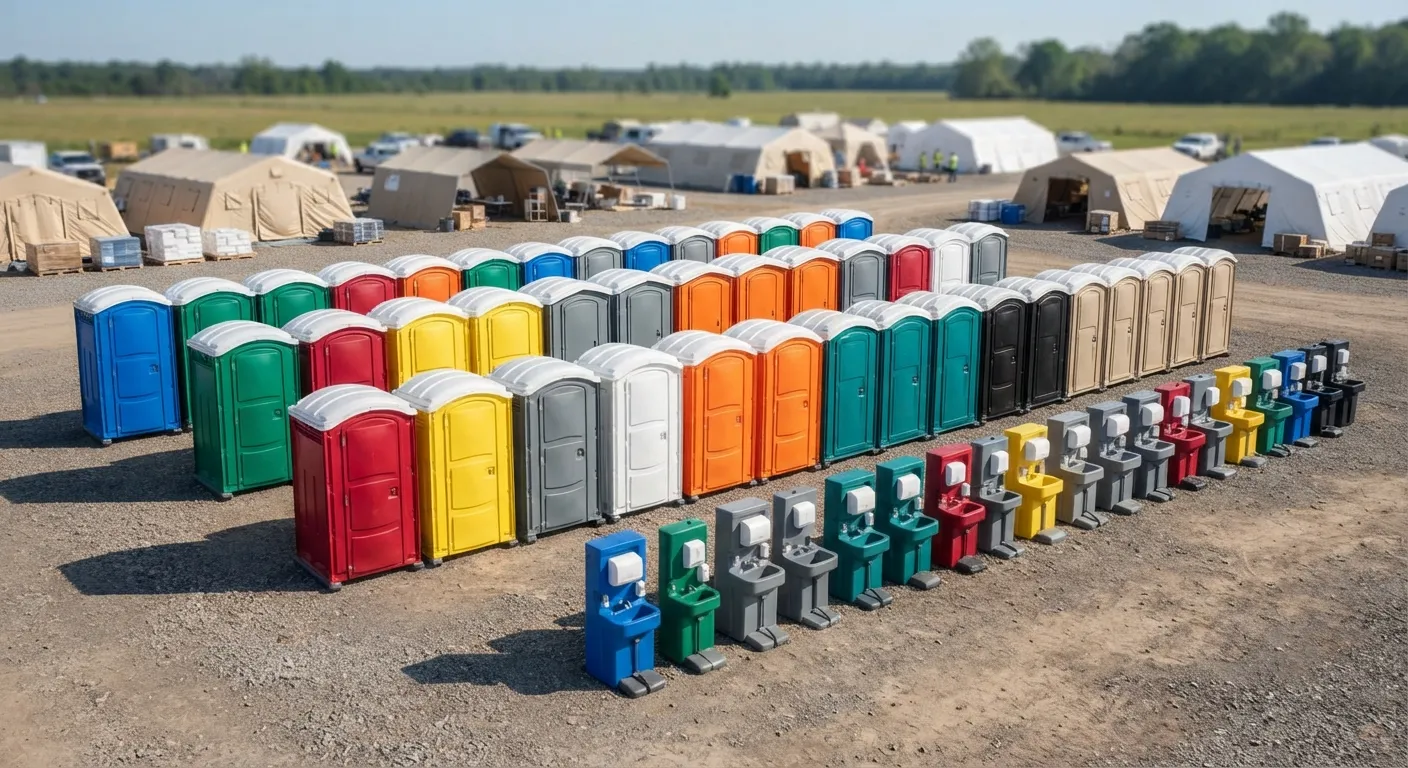
Speed depends on road access and how many units the response needs. A single delivery truck needs about 60 feet of straight clearance behind it to drop a unit or trailer, which matters when downed limbs or flooded shoulders narrow a street in Alafaya. For a shelter, a church, or a command post, we prioritize emergency porta potty rental requests and route from the nearest staged inventory. Standard units run $100 to $350 a day depending on order size and distance, and that is the fastest unit to deploy because it needs no water hookup. If the site has power and needs to run longer than a few days, a monthly porta potty rental rate is usually cheaper per day than repeated daily orders. Shelters with limited mobility populations need at least one accessible unit under ADA Standards section 213.2, which requires 5 percent of clustered single-user units to be accessible, never fewer than one. We also stock handwashing station rental units, since running water is often the first thing to fail. For multi-day operations, a holding tank rental can support a kitchen or medical tent that has no functioning septic connection at all.
What sanitation do shelters and relief sites actually need?
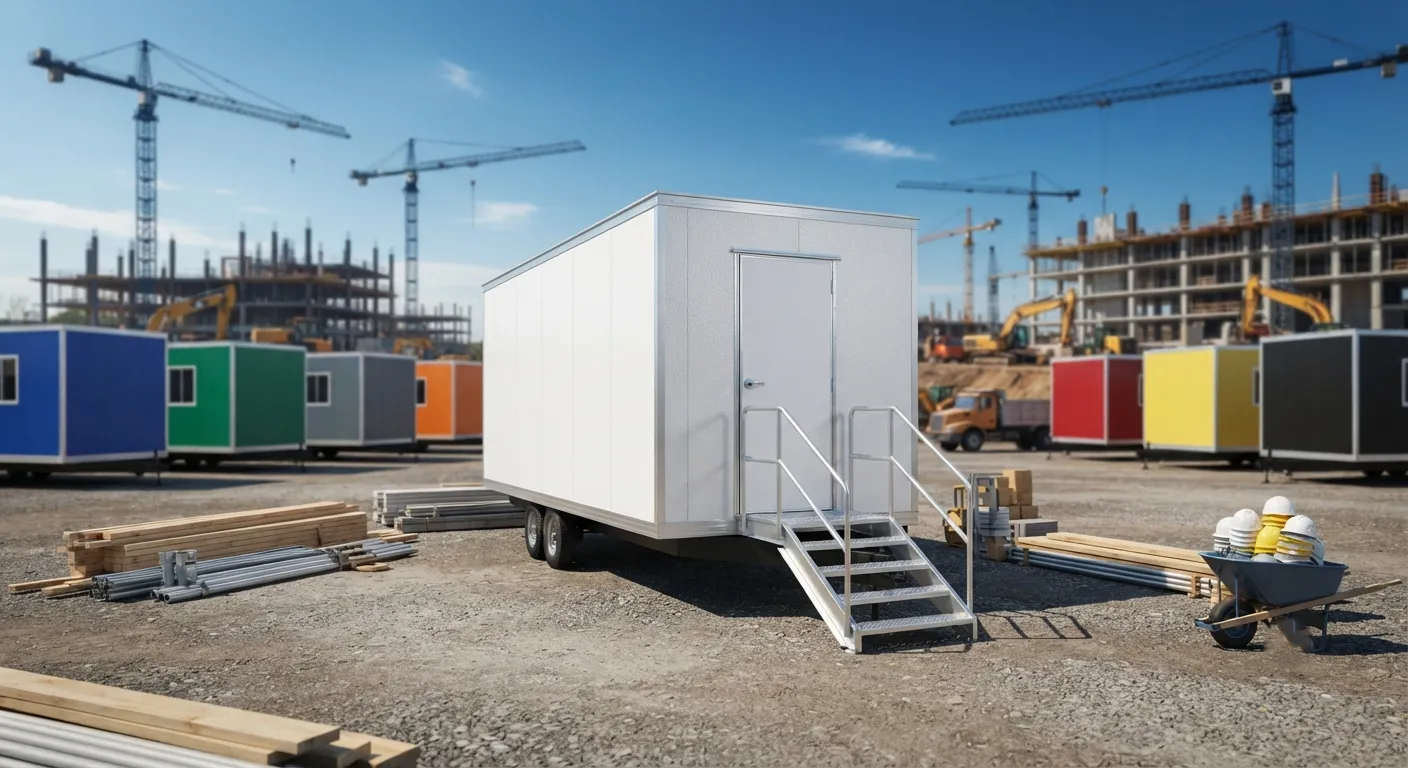
A shelter is a workplace and a public gathering point at the same time, so the sanitation load is higher than a typical jobsite. OSHA's general industry rule at 1910.141(c)(1)(i) sets toilet ratios by employee count for staff working the shelter, while occupants need their own restroom access planned separately by headcount and dwell time. Handwashing stations need soap and towels or a hand-drying device under 29 CFR 1910.141(d)(2); hand sanitizer alone does not meet that standard, which matters when norovirus and gastro illness spread fast in crowded shelters. Potable water has to be available under OSHA 1926.51(a)(1), and a portable sink rental unit paired with a water buffalo or tank often solves that when the municipal supply is under a boil-water notice. For larger relief camps, we recommend the guide on how many porta potties you need to size the order correctly the first time, since undercounting units creates lines and sanitation failures within a day. A 4 stall restroom trailer or 8 stall restroom trailer covers larger populations with flushable fixtures, which holds up better than stand-alone units when a shelter runs for a week or more. Sites with septic systems knocked offline by flooding may also need septic pumping service or emergency holding tank rental to keep existing plumbing usable until repairs happen.
Where should relief sanitation be placed on a damaged site?
Placement has to balance access, drainage, and distance from food and water points, and disaster sites often break normal placement rules because the ground itself is compromised. Our porta potty placement guide covers stable, level ground requirements that still apply even after flooding softens a site; ADA Standards section 302.1 calls for surfaces that are stable, firm and slip resistant, which rules out saturated turf for accessible units. Accessible routes need at least 36 inches of clear width per ADA Standards section 403.5.1, and unit doors need a 32 inch clear opening under section 404.2.3, both of which get harder to maintain once debris starts piling up near a staging area. If the relief site needs to secure equipment, generators or donated supplies overnight, temporary fence rental or a storage container rental protects the site between shifts. Debris removal runs alongside sanitation on most disaster jobs, so a roll-off dumpster rental or two staged near the entry point keeps storm debris from blocking the same access lane the delivery truck needs. Oviedo sits about 11.9 miles north of Alafaya, and Winter Park is roughly 16.5 miles northwest, both within range for us to stage backup trucks if regional roads reopen unevenly after a storm.
| unit | duration | typical price |
|---|---|---|
| standard | day | $150 |
| standard | week | $200 |
| ada | day | $230 |
| dumpster | day | $75 |
How much does emergency porta potty rental cost during a disaster?
Standard units run $100 to $350 a day and $130 to $500 a week depending on order size, distance and how fast delivery needs to happen. See porta potty rental cost for the full breakdown. Rush delivery fees can run higher during active response windows.
Can you deliver to a shelter with no address yet, like a parking lot staging area?
Yes. We just need clear directions, a contact on site, and confirmation the ground can support a delivery truck. Coordinates or a landmark description work fine when a formal address does not exist yet.
Do disaster relief sites need ADA-accessible units?
Yes, under ADA Standards section 213.2, at least 5 percent of clustered units must be accessible, never fewer than one. Shelters serving elderly or injured populations often need a higher ratio than the minimum.
What happens if roads are impassable near the delivery site?
We reroute around blocked roads when possible and stage trucks closer to reopen faster. A 60 foot clearance behind the truck is still needed for the actual drop, so we coordinate with responders on the nearest workable access point.
Will you service units during an extended disaster response?
Yes, service continues on a schedule set by usage, not a fixed weekly cycle like normal rentals. High-occupancy shelters may need daily service instead of the standard weekly interval most sites use.
Next step
Get a delivery date
Tell us the address, the dates and the headcount. We size the order and confirm the route.